

By Fr. Maurice Kwairanga
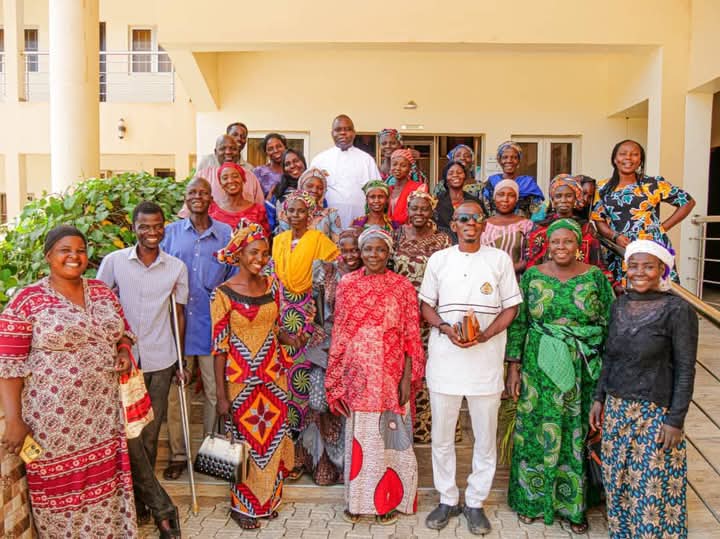
In the North East of Nigeria, the conflict instigated by terror activities has displaced millions, including countless Christian families. The dire need for economic empowerment among these Internally Displaced Persons (IDPs) necessitates the implementation of strategic projects aimed at supporting small businesses. One such initiative is undertaken by the Catholic Diocese of Yola, in collaboration with Mission Take Heart. This essay examines the biblical perspective on empowerment for both women and men, particularly in the context of small business support, and explores the intended outcomes of such initiatives by December 2025.
The Bible provides a rich framework for understanding the roles of men and women in society, emphasizing the importance of equality and mutual support. Genesis 1:27 affirms that both men and women are created in the image of God, indicating a fundamental equality that informs Christian teachings about dignity, value, and agency. This theological premise implies that both genders have unique contributions to make in the economic realm. Thus, empowering both women and men is not merely a socioeconomic need; it is also a reflection of the divine order established by God.
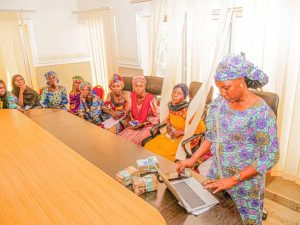
Historically, women in many communities, including those in North East Nigeria, have had limited access to resources and opportunities due to cultural and systemic barriers. However, the Bible combats such inequities through narratives of strong women who played pivotal roles in their communities. Figures such as Ruth, whose resilience and entrepreneurial spirit allowed her to provide for herself and Naomi, serve as inspiration for contemporary women in similar situations. Catholic Diocese of Yola projects that focus on women’s empowerment in business are not only economically beneficial but also serve to reaffirm biblical principles that recognize women as vital agents of change.
Meanwhile, men also have a crucial role to play in supporting their families and communities. As leaders, fathers, and providers, their empowerment ensures a holistic approach to economic resilience. The biblical narrative highlights this duality in roles; Ephesians 5:25 calls upon husbands to love their wives selflessly, an essential strategy for fostering collaborative family enterprises. By engaging both men and women in entrepreneurship programs, Yola Diocese and Mission Take Heart aim to build a supportive economic environment that echoes a biblical vision for equitable relationships.
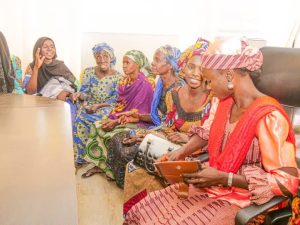
The intended outcomes of these empowerment projects by the end of December 2025 are multifaceted. Firstly, there is the objective of enhancing financial independence among IDPs, which directly contributes to the stability of families and communities. By equipping men and women with skills, resources, and business knowledge, these projects aim to establish sustainable small enterprises that generate income and foster self-reliance. Secondly, the projects aim to promote social cohesion within IDP camps by creating networks of support among participants, thus reinforcing community bonds that have been severely disrupted due to displacement.
Furthermore, the initiatives are expected to yield spiritual and emotional fruits, providing a sense of hope and purpose amidst adversity. These outcomes align with the biblical teaching of Jeremiah 29:11, which promises a future filled with hope. For many IDPs, engaging in entrepreneurial activities could be transformative, enabling them to reclaim agency over their lives and contribute positively to their communities. Such empowerment resonates with the Gospel’s call to serve and uplift others, enhancing the collective resilience of Christian IDPs in the region.
In conclusion, the empowerment projects spearheaded by Catholic Diocese of Yola, in collaboration with Mission Take Heart, embody a profound alignment with biblical principles of equality, dignity, and mutual support. By focusing on both women and men, these initiatives have the potential to foster sustainable economic empowerment, rebuild community ties, and restore hope among Christian IDPs in North East Nigeria. As the programs progress toward their intended outcomes by December 2025, they serve as a testament to the transformative power of faith in action, illuminating the path toward a brighter future for those displaced by conflict.