

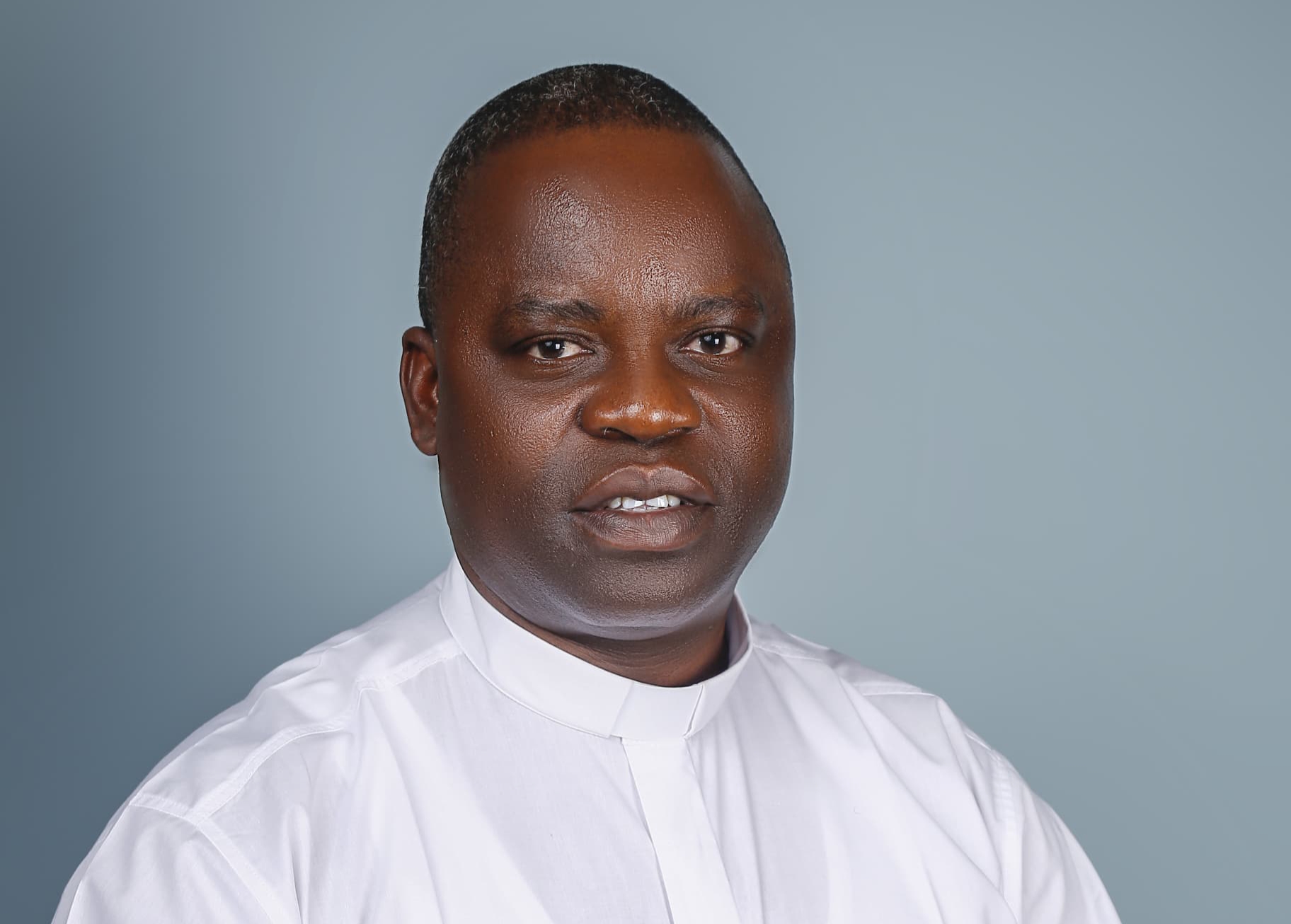

Fr. Maurice Kwairanga
Religious identity has always been a powerful force in Nigeria’s social and political landscape. At its best, faith inspires compassion, community, and moral responsibility. At its worst, when manipulated or weaponized, it becomes a spark that can ignite fanaticism—and, as history repeatedly shows, fanaticism can slide into barbarism with alarming speed. As Nigeria approaches the 2027 general election, the urgency to confront and neutralize religious extremism becomes not just a political necessity but a national imperative.
A Nation at the Crossroads
Nigeria’s diversity is one of its greatest strengths. Yet, this same diversity becomes a fault line when exploited by actors who thrive on division. Extremist ideologies—whether cloaked in religious rhetoric or framed as divine mandates—have contributed to cycles of violence, mistrust, and polarization.
In the years leading up to 2027, the stakes are particularly high. Elections in Nigeria often heighten tensions, and extremist groups or opportunistic political actors may attempt to inflame religious sentiments to gain influence or destabilize the process. The danger is not hypothetical; it is a pattern Nigerians have witnessed before.
How Fanaticism Morphs into Barbarism
Fanaticism rarely begins with violence. It starts with absolutism—the belief that one’s religious interpretation is the only legitimate truth. From there, it progresses through predictable stages:
– Demonization of the “other”
When political or religious leaders frame opponents as enemies of God, coexistence becomes impossible.
– Dehumanization
Once a group is portrayed as less worthy or morally corrupt, violence against them becomes easier to justify.
– Sanctification of violence
Extremists often claim divine approval for harmful actions, turning brutality into a supposed act of righteousness.
– Breakdown of social order
Communities fracture, institutions weaken, and barbarism emerges as violence becomes normalized.
Nigeria has seen these dynamics play out in various forms—from insurgency in the northeast to sectarian clashes in central states. The lesson is clear: unchecked fanaticism does not remain static; it escalates.
Safeguarding the 2027 Election: Strategies for Prevention
Preventing religious extremism from influencing the 2027 general election requires a multi-layered approach involving government, religious institutions, civil society, and citizens.
1. Strengthening Early Warning Systems
Security agencies and community networks must collaborate to identify and respond to signs of radicalization. Local intelligence—when trusted and supported—remains one of Nigeria’s most effective tools.
2. Promoting Responsible Religious Leadership
Faith leaders hold immense influence. Encouraging interfaith dialogue, joint peace declarations, and public denunciations of hate speech can help neutralize extremist narratives before they spread.
3. Regulating Political Rhetoric
Political actors must be held accountable for inflammatory statements. Electoral bodies and civil society organizations can play a role in monitoring campaigns and sanctioning those who exploit religion for political gain.
4. Empowering Youth Through Education
Extremist groups often prey on young people who feel marginalized or disillusioned. Expanding access to quality education, civic training, and economic opportunities reduces vulnerability to radicalization.
5. Strengthening Digital Literacy
Misinformation and extremist propaganda spread rapidly online. Teaching citizens how to identify false narratives and resist manipulation is essential in the digital age.
6. Building Inclusive Governance
When communities feel represented and valued, extremist ideologies lose their appeal. Strengthening local governance, ensuring equitable resource distribution, and promoting justice can help reduce grievances that extremists exploit.
The Role of Citizens: Choosing Peace Over Provocation
Ultimately, the fight against religious extremism is not only institutional—it is personal. Every Nigerian has a role to play:
– Rejecting hate speech
– Challenging divisive narratives
– Supporting leaders who promote unity
– Encouraging peaceful political participation
The 2027 election offers an opportunity for Nigerians to demonstrate that democracy can thrive in diversity, and that faith—rather than being a tool of division—can be a foundation for national cohesion.
A Future Beyond Fear
Nigeria stands at a pivotal moment. The path ahead is not without challenges, but neither is it without hope. By confronting fanaticism early, promoting responsible leadership, and empowering communities, the nation can prevent the slide into barbarism and ensure that the 2027 general election becomes a milestone of peace, maturity, and democratic strength.
The fires of extremism can be quenched—not by force alone, but by collective resolve, moral clarity, and a shared commitment to a united Nigeria.